Short answer: choose the system around the building, not the gadget
A commercial buyer usually has three goals: reduce worker exposure on repetitive glass areas, keep building appearance consistent, and make cleaning schedules easier to repeat. A robot can help with those goals when the facade is relatively regular and the building team has a clear deployment process. It is less suitable when the surface has many deep recesses, protruding fins, fragile decorative coatings, or no safe way to install and recover the equipment.
That is why this guide compares robotic facade cleaning with traditional rope access, explains what to check before requesting a quote, and gives procurement teams a practical supplier checklist. If your project is already at RFQ stage, prepare facade photos, drawings, cleaning frequency, building height, and safety requirements before contacting PanPanTech facade cleaning robot specialists.
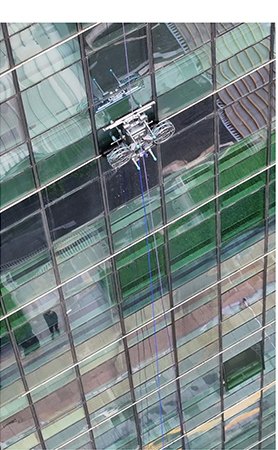
Commercial facade robots vs consumer window robots
The phrase “robotic window cleaner” covers very different machines. A consumer model is typically a compact suction device for indoor residential windows. It may be convenient for a homeowner, but its operating envelope is narrow: small panes, low height, controlled indoor conditions, and a user standing nearby. Commercial facade cleaning is a different category. It involves exterior glass, changing wind, rain exposure, building access, rope or cable systems, water management, trained operators, and site-specific safety documentation.
For this reason, a procurement team should avoid comparing only product photos or motor specifications. The better comparison is the full cleaning method. How does the robot attach or remain supported? What happens if water pressure drops? How is the machine recovered if it stops mid-run? How many operators are needed? Which parts are inspected before every shift? What weather conditions stop work? A credible supplier should be comfortable answering those questions before discussing final price.
Which buildings are a good fit for robotic window cleaning?
Facade robots are strongest when the cleaning path is repeatable. A flat or gently segmented glass curtain wall, clear vertical drops, predictable mullion spacing, and roof access make planning easier. Regular glass surfaces allow the operator to define runs, inspect the robot between passes, and measure coverage more consistently than ad-hoc manual cleaning. That is why commercial properties with large exterior glass areas often evaluate robots before smaller buildings do.
The hardest buildings are not always the tallest. The difficult ones are the buildings with complex geometry: deep sunshades, irregular balconies, recessed glass, decorative fins, signage, openable panels, weak access points, or surfaces that change material every few meters. These projects may still use robots for the regular glass zones, but they often need a hybrid plan where rope access or lift cleaning handles edges, corners, canopies, and special details.
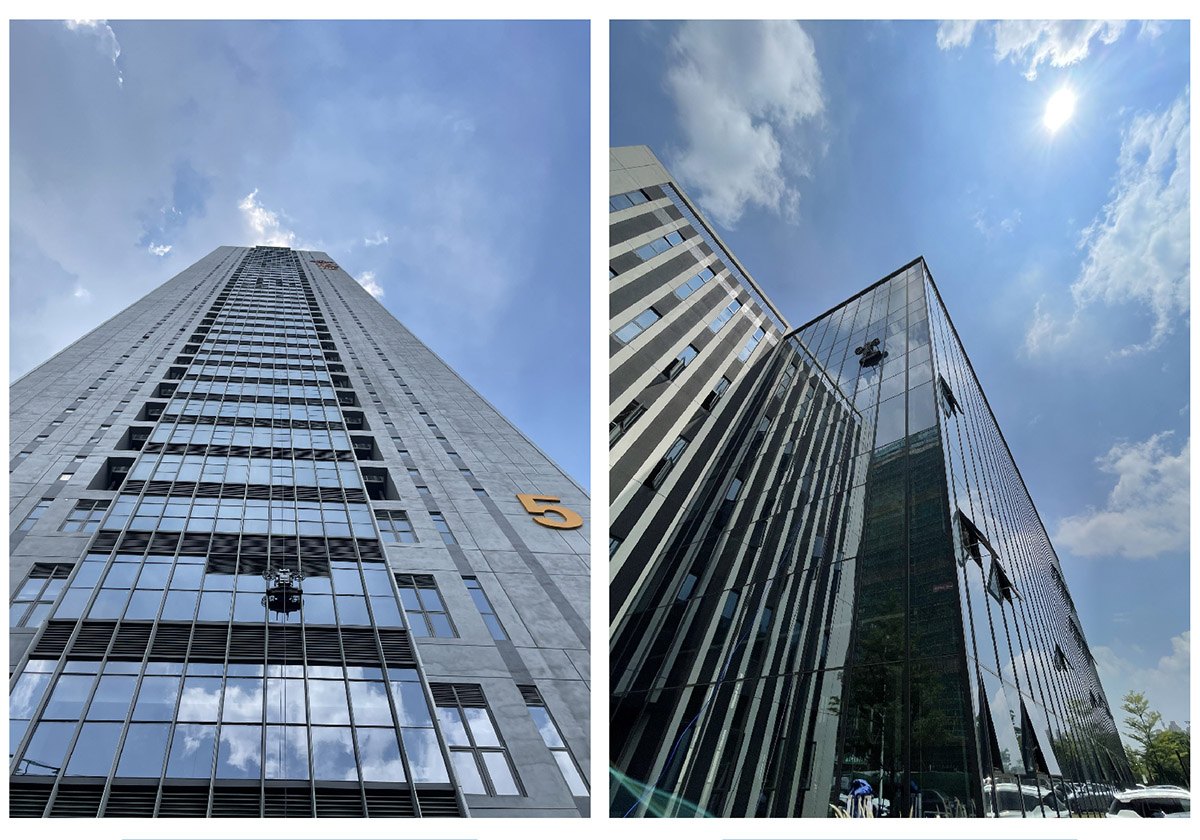
Traditional high-rise cleaning vs robotic facade cleaning: pros and cons
Traditional rope access and platform cleaning are not obsolete. They are flexible, familiar to many property teams, and still necessary for complex facade details. A skilled crew can handle corners, frames, signage, balcony edges, and one-off stains that a robot may not reach. The tradeoff is that more cleaning time is spent with people exposed at height, schedules depend heavily on labor availability, and consistency can vary between crews or shifts.
Robotic facade cleaning changes the balance. It can move the most repetitive glass work toward a controlled machine workflow while operators supervise from safer positions where the site allows. The strongest business case is not “replace every worker.” It is “reduce the most repetitive high-exposure work, stabilize cleaning quality, and keep skilled technicians focused on setup, inspection, edge cases, and final verification.”
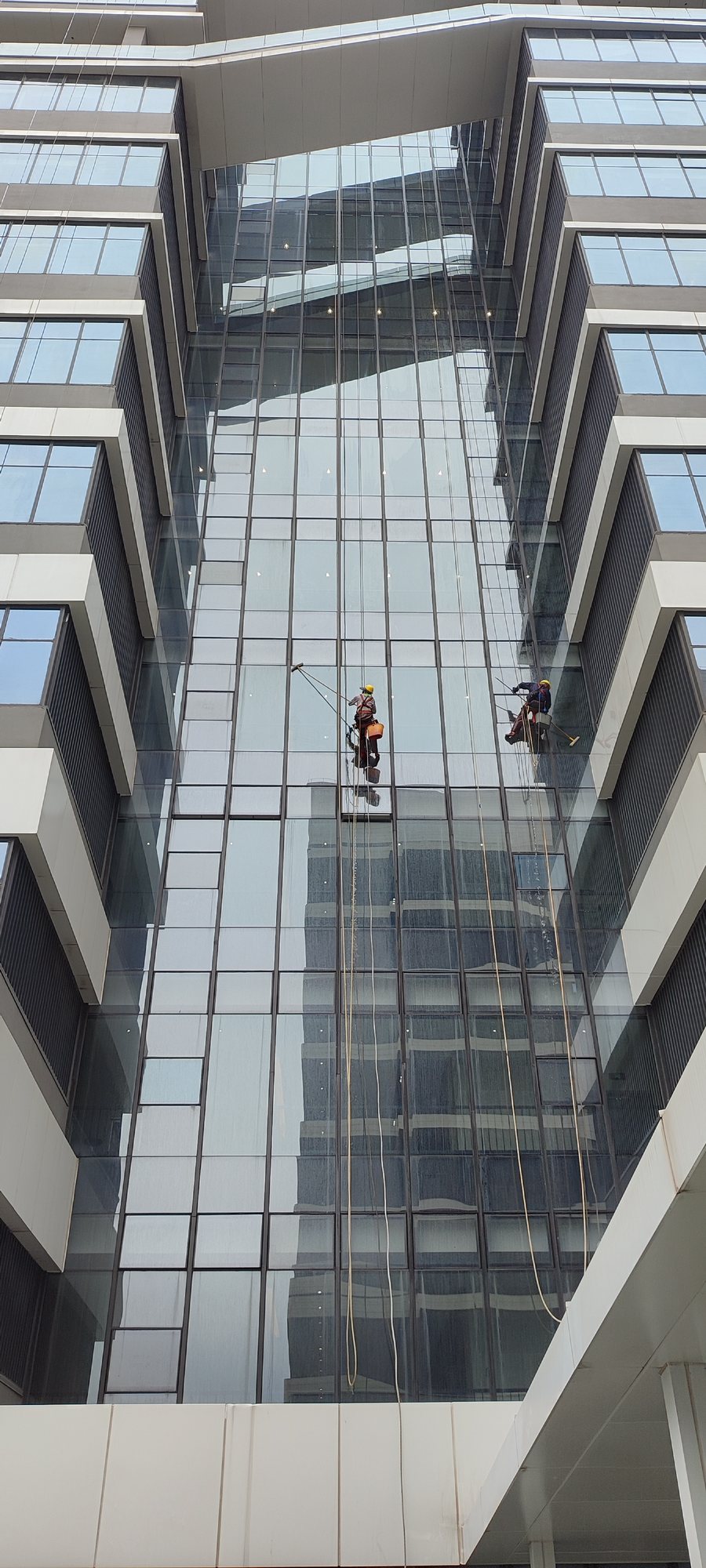
Safety and compliance review comes before model selection
Facade cleaning is safety-critical work. A robot can reduce some manual exposure, but it does not remove the need for a safety plan. In the United States, OSHA publishes fall protection guidance for elevated work, and its walking-working surface rules include requirements for rope descent systems and building anchorage responsibilities. OSHA also maintains powered platform rules for building maintenance. In the United Kingdom, HSE work-at-height guidance starts from a simple hierarchy: avoid work at height where practical, prevent falls where work at height cannot be avoided, and minimize consequences where risk remains.
The practical takeaway is simple: do not buy a facade robot as a standalone device. Buy a deployment method. The method should include pre-use inspection, operator training, exclusion-zone planning, anchor or support verification, weather limits, emergency recovery, maintenance records, and a decision process for stopping work. Local rules differ by country and city, so the supplier should support your compliance team rather than replace it.
How a commercial robotic window cleaning project works
A reliable robot project starts with a facade map. The property team or cleaning contractor divides the building into cleaning zones and marks each zone by surface type, height, access method, water availability, pedestrian risk, and recovery path. This map is more useful than a simple square-meter total because it shows where the robot can repeat work and where a hybrid plan is needed.
The second step is a controlled pilot. Instead of committing the full building on day one, choose one representative facade zone and test setup time, cleaning quality, water usage, route stability, edge handling, communication, and recovery. A good pilot should produce photos, coverage notes, operator feedback, and a list of no-go conditions. It should also reveal whether cleaning frequency needs to change: some buildings get better results from lighter, more frequent robotic passes instead of infrequent heavy manual washes.
Cost and ROI: what buyers should calculate
The return on a facade robot depends on how often the building is cleaned, how much glass is repeatable, what labor and access equipment cost locally, and whether the robot reduces shutdown time or disruption. A tower cleaned once a year may not justify the same equipment strategy as a hotel or commercial complex that needs frequent appearance maintenance. For service contractors, ROI may also come from using one trained robot team across multiple compatible buildings.
Do not calculate ROI using robot price alone. Include training, transport, insurance or compliance support, spare parts, consumables, operator wages, maintenance downtime, and manual follow-up work. Then compare it with the full cost of current cleaning: crew days, supervisor time, rope or platform setup, permits, traffic control, weather delays, quality rework, and disruption to tenants or guests.
Selection checklist for a commercial robotic window cleaner
Once the site is judged feasible, compare suppliers with a structured checklist. The right system should be robust enough for your cleaning environment, but also simple enough for your team to operate repeatedly. A robot that performs well in a demo but requires fragile setup or unclear maintenance is risky for facility teams. Conversely, a slightly slower robot with strong documentation, local support, and clear safety limits may be the better long-term choice.
Supplier questions before you request a quote
A serious facade robot quotation should look like a project review, not a shopping-cart checkout. The supplier should ask about your building before recommending a configuration. If a seller promises that one model can clean every facade without seeing drawings, access points, or safety requirements, treat that as a warning sign.
For PanPanTech projects, buyers can start from the facade cleaning robot product area, then share building details through Request a Quote. If the facility also uses indoor cleaning automation, compare the facade plan with other robot workflows in commercial cleaning robot types and use cases and the commercial property solution page.