Quick answer: buy the route, not the brochure claim
The most useful buying question is not "how many square meters per hour can it clean?" A robot can advertise a high theoretical cleaning rate and still underperform if it spends the shift waiting at blocked aisles, returning for water, recovering from squeegee issues, or asking for human assistance. A real comparison starts with the route: distance, aisle width, soil load, water access, drainage, pedestrian traffic, forklift traffic, doors, elevators, and the hours when cleaning can happen.
For large facilities, the value usually comes from consistency and documentation. A scrubber robot can repeat the same route, follow zone rules, record coverage, and free staff from long straight-line driving. It still needs a trained operator, daily inspection, planned maintenance, and a realistic handoff process. The best projects treat the robot as part of a cleaning workflow, not as a magic appliance.
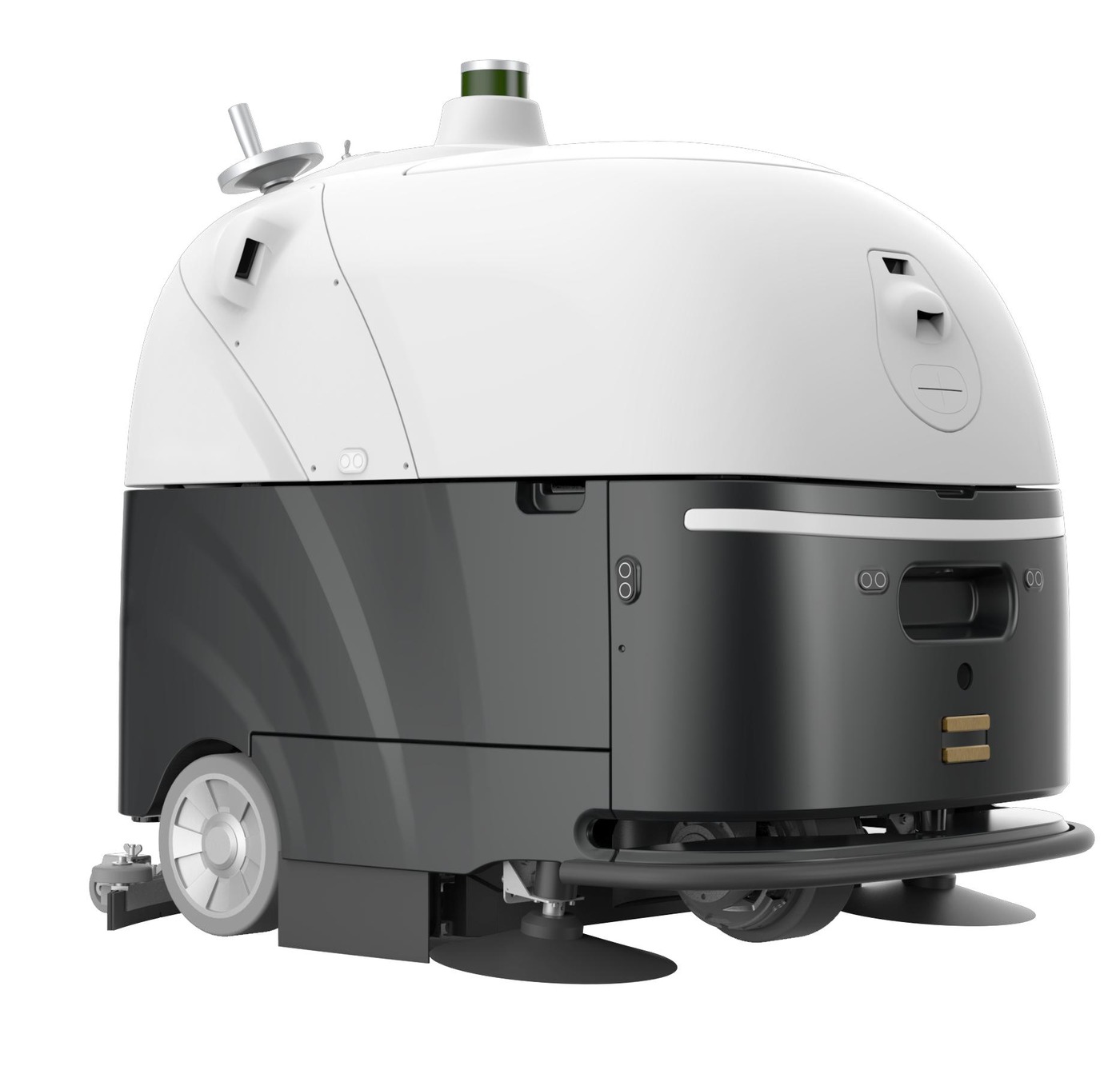
How does an autonomous floor scrubber work?
An autonomous scrubber combines the cleaning system of a walk-behind or ride-on scrubber with robot navigation. The cleaning side dispenses clean water or solution, agitates the floor with brushes or pads, controls water flow and down pressure, then recovers dirty water through a rear squeegee and vacuum recovery path. The robot side maps the site, localizes itself, follows planned routes, detects obstacles, and reports completion or exceptions.
A typical workflow begins with site mapping and route creation. The operator or commissioning engineer defines cleaning zones, no-go areas, speed limits, start and finish points, charging behavior, and areas that require manual cleaning. During operation, the robot follows the approved route, slows or stops for obstacles, and asks for help when it cannot continue safely. After the shift, staff check recovery tanks, brushes, filters, squeegee blades, battery state, and cleaning reports.
The important point is that autonomy does not remove process ownership. It changes the staff task from continuous driving to route setup, inspection, water handling, exception recovery, and quality control. Facilities that already have disciplined cleaning rounds usually adopt scrubber robots faster because they can define routes, measure outcomes, and train staff around a repeatable process.
Where does an autonomous floor scrubber fit best?
The best sites have large hard-floor areas that need frequent, repeatable cleaning. Warehouses, factories, airports, malls, hospitals, supermarkets, schools, and transport hubs can all be good candidates, but each site has a different constraint. A warehouse may have forklifts and pallets. A hospital may have noise and handoff requirements. A mall may require careful wet-floor control around shoppers and tenants.
A poor-fit site is not necessarily small; it is unpredictable. If floor displays, pallets, temporary barriers, or customer queues constantly block the planned path, the robot may spend too much time waiting. If cleaning staff cannot refill water, drain wastewater, replace brushes, or rescue the robot when needed, the machine may become another asset to supervise instead of a labor-saving tool.
Which specifications actually matter?
Do not choose only by theoretical cleaning efficiency. Scrubbing width, tank size, speed, and runtime all matter, but they interact. A wide scrub path reduces passes, yet it may not fit narrow turns. A large tank reduces refills, yet it increases machine size. A high travel speed looks attractive, yet it may be limited by soil load, pedestrian zones, obstacle density, and the dryness requirement after each pass.
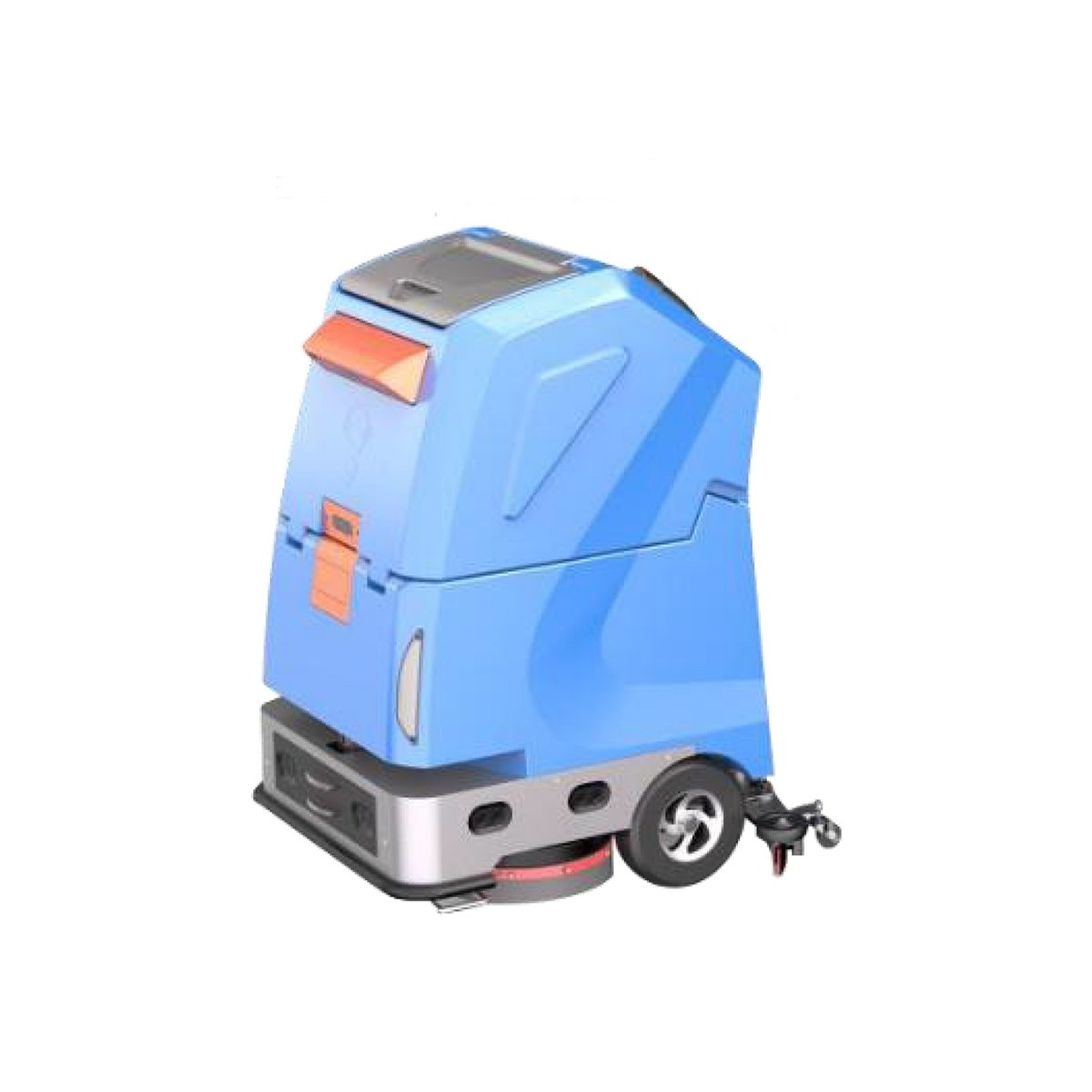
ROI planning: measure staff time, not just machine speed
Autonomous scrubber ROI is usually built from repeated labor hours, shift coverage, consistency, and reporting. Start by measuring how long staff spend driving broad floor routes today, how often the route is skipped or shortened, how much time is spent preparing equipment, and how many interruptions occur during open hours. Then build a realistic robot schedule that includes water refill, wastewater discharge, charging, daily inspection, and exception recovery.
Do not count every theoretical robot hour as saved labor. Some staff time moves from driving to supervision and maintenance. A sober ROI model separates direct driving reduction from support time. It should also include consumables, brushes, squeegees, filters, batteries, service contracts, training, shipping, import documents, and any building changes needed for water access, drainage, storage, or charging.
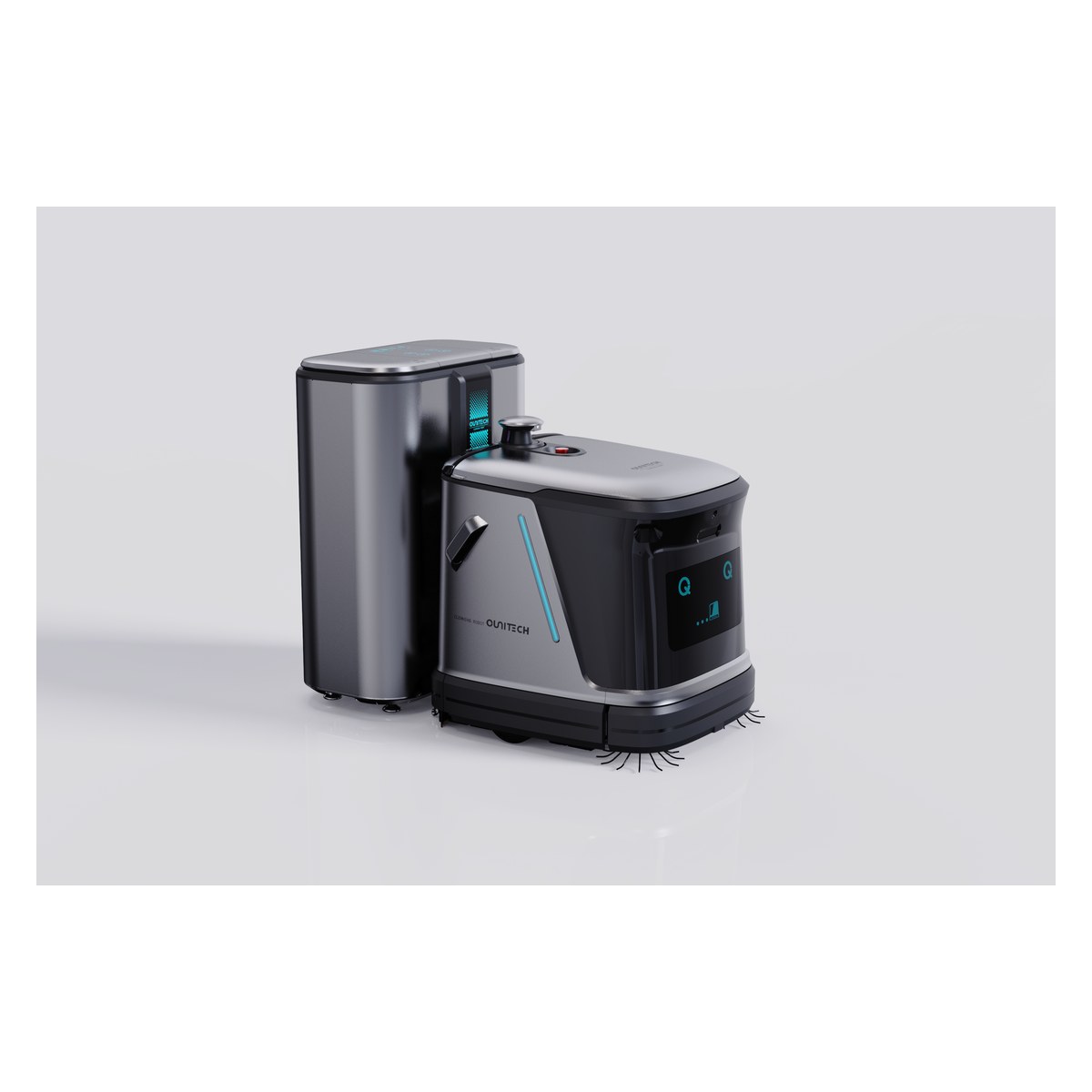
What does a service station change?
A service station can reduce manual charging, water refill, wastewater discharge, and standby tasks. It matters most when the facility wants longer unattended operation or when staff cannot repeatedly support the robot during a shift. In a small site, manual refill and charging may be acceptable. In a large airport, warehouse, or factory, a station can be the difference between a practical deployment and a robot that needs too many touchpoints.
Before buying a station, confirm clean water access, drainage, installation space, floor slope, local plumbing rules, maintenance access, and who is responsible for leaks, filters, and wastewater handling. If the station is installed far from the cleaning route, travel time can reduce the benefit. If the site has no approved drainage point, the station may add construction work that belongs in the budget.
Safety, floor condition, and compliance checks
Scrubber robots operate around people, wet floors, batteries, cleaning chemicals, and moving equipment. Buyers should ask for the risk assessment method, speed-zone settings, emergency stop behavior, obstacle detection limits, manual override process, operator training, and maintenance checks. The supplier should explain what the robot can detect, what it may not detect, and what operating rules the site must enforce.
Floor condition matters as much as navigation. OSHA's walking-working surface rule requires floors and passageways to be kept in a clean, orderly, and sanitary condition; for scrubber projects, that means dry-pass quality, wet-floor controls, and inspection routines must be part of the deployment. For driverless mobile equipment, buyers can also reference ISO 3691-4:2023 when discussing safety requirements and verification methods for driverless industrial trucks and their systems. For chemical selection, the EPA Safer Choice program is a useful starting point for understanding safer cleaning product considerations, while the final approved chemistry must come from the robot supplier and facility procedure.
Do not skip battery and charger documents. Importers and facility teams should ask for the battery type, charger input, charging area requirements, emergency procedure, storage recommendations, and shipment documentation. If the robot will be used in a hospital, food facility, or public area, align the cleaning procedure with local facility rules before commissioning.
A practical pilot checklist before scaling
A pilot should prove the machine can clean your floor, in your traffic, with your staff. Choose one representative route and run it through normal obstacles: pallets, carts, people, narrow corners, doorways, drains, wet patches, dust, slope changes, and the actual water workflow. Measure completed area, missed edges, number of stops, manual interventions, refill and drain time, battery use, cleaning quality, and staff acceptance.
Supplier questions before purchase
The right supplier conversation is operational, not just technical. Ask for the final signed datasheet, route assumptions, consumable list, service response, battery documents, training plan, and a written scope for commissioning. If the supplier cannot explain what happens when the route is blocked, water runs out, a squeegee fails, or the robot loses localization, the project risk is still hidden.