Home/ Blog/ ROI Calculator

Tool — ROI and Payback

Robot Floor Scrubber ROI Calculator: Payback for Your Floor

Enter your floor area, cleaning frequency, wage and robot price to estimate how many manual hours a robot floor scrubber takes over, what it saves a year and how long it takes to pay back. The method, realistic input ranges and three worked examples follow the calculator.

Updated 2026-10-05 · 8 min read

Robot floor scrubber ROI calculator

Enter your floor area, cleaning frequency, wage and robot price. The calculator estimates the manual hours a robot takes over, its yearly cost, net saving and payback period. Defaults use a US janitor median wage of $17.27 per hour (BLS, May 2024).
Robots needed–
Manual hours taken over per year–
Labour value per year–
Supervision cost per year–
Robot cost per year–
Net saving per year–
Payback period–
Net result over the write-off period–

Calculated in your browser; nothing is sent anywhere. Figures are estimates for planning, not a quotation.

Change one number at a time to see what matters. For most sites the two inputs that swing the answer are share the robot can clean and cleanings per week; robot price matters less than buyers expect.

How the calculation works

The calculator values the manual hours the robot takes over, subtracts the time people still spend supervising it, and compares the result with the robot's yearly cost.
→Manual hours taken over = floor area × robot share ÷ manual cleaning rate × cleanings per year.
→Labour value = those hours × hourly wage × (1 + payroll taxes and benefits).
→Robots needed = robot area ÷ (robot practical rate × hours available per cleaning), rounded up.
→Supervision cost = minutes per cleaning × cleanings per year × loaded wage, per robot.
→Robot cost per year = price ÷ write-off years + consumables and service.
→Payback = robot price ÷ (labour value − supervision − running cost) per month.

The default wage is the BLS median for janitors and building cleaners, $17.27 an hour in May 2024. Replace it with your own fully loaded rate or your cleaning contractor's hourly charge, which is usually higher.

Choosing realistic inputs

Use practical cleaning rates, not brochure maxima, and measure the share of your floor a robot can actually reach. Over-optimistic inputs are the main reason robot business cases disappoint.
InputTypical rangeHow to get your number
Manual cleaning rateMop and bucket: a few hundred m²/h; walk-behind scrubber: about 800–1,700 m²/hTime your current team on a representative area
Robot practical rateCompact robots 200–800 m²/h; large scrubbers 1,500–4,000 m²/hAsk suppliers for practical, not theoretical, rates
Robot share60–90% of open floorExclude stairs, tight corners, cluttered rooms and edges
Supervision15–30 minutes per runStarting routes, emptying bins, refilling if no station, spot checks
Consumables and serviceA few thousand per robot per yearAsk for a price list for brushes, pads, blades and filters

Ranges are planning guidance. Walk-behind range based on published Tennant T300 conventional coverage rates; see our T300 review.

If you clean with a walk-behind scrubber today, your manual rate is high and the robot's value is mainly the operator hours it frees. If you clean with mops, the manual rate is low and the hours taken over per square metre are much larger.

Three worked examples

A large warehouse cleaned daily pays back fastest; a small shop cleaned three times a week may not pay back at all. Frequency and area dominate.
SiteInputsResultTakeaway
Distribution centre20,000 m², 80% robot share, 7×/week, manual 1,200 m²/h; large scrubber at a practical 3,000 m²/h, price 60,000, running 5,000/yrAbout 4,850 manual hours a year taken over; payback about 8 monthsLarge, open, daily floors are the best case
Supermarket3,000 m², 75% share, 7×/week, manual 600 m²/h; compact 4-in-1 at 500 m²/h, price 35,000, running 3,000/yrAbout 1,370 hours a year; payback about 18 monthsNight cleaning in a closed store works well
Small shop400 m², 70% share, 3×/week, manual 500 m²/h; compact robot at 350 m²/h, price 25,000, running 2,000/yrAbout 90 hours a year; does not pay back on labourBuy for consistency, not savings, or do not buy

Results from the calculator above with the stated inputs; wage 17.27, 20% on-costs, 6-hour window, 20 minutes supervision. Your figures will differ.
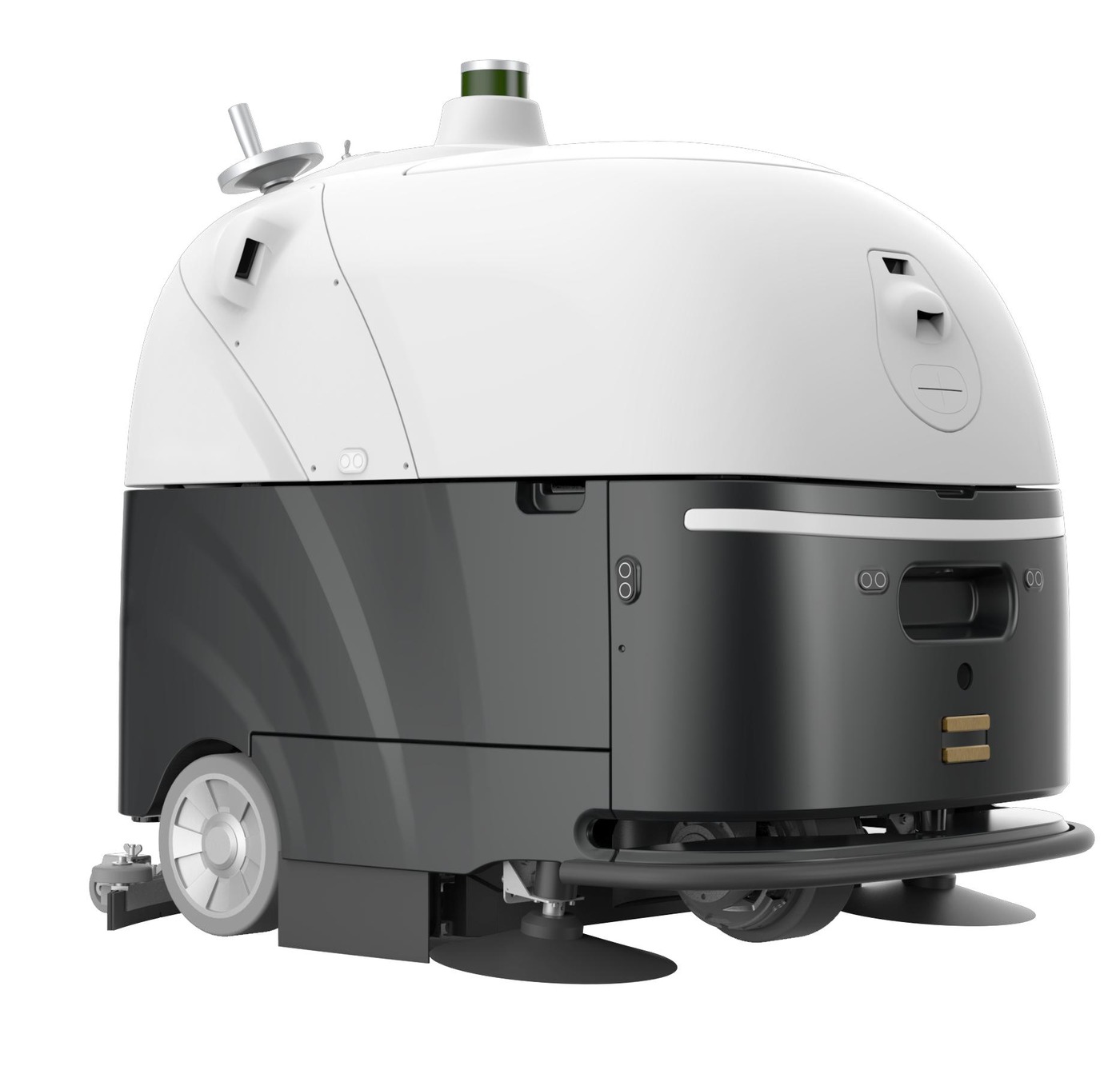
ACR-0800 autonomous ride-on floor scrubber for large warehouse floors
Large, open floors cleaned every day are where autonomous scrubbers such as the ACR-0800 pay back fastest.

What the calculator leaves out

Quality, consistency and reporting have value the calculator does not count, and downtime, training and site changes have costs it does not count either.
→Consistency. A robot cleans the same route every night and logs it; a short-staffed shift may not.
→Reassigned labour. Hours taken over are only saved if the people are redeployed or the contract changes.
→Downtime. A robot waiting for a part does not clean. Ask about local spares and response times.
→Edges and touch-ups. Corners and edges still need people; the robot share input should allow for this.
→Financing. Leasing and RaaS change the cash profile; see our price guide for the options.

For a firm number, send your inputs through Request a Quote. We will recommend a robot class from the ACR range and run the same calculation with its real specifications.

FAQ

How do you calculate the ROI of a robot floor scrubber?
Value the manual cleaning hours the robot takes over at your loaded wage, subtract supervision time and the robot's yearly cost (price over its write-off period plus consumables and service), and divide the robot price by the monthly saving to get the payback period.
What is a typical payback period for a cleaning robot?
One to three years on large floors cleaned daily. Small floors cleaned a few times a week may not pay back on labour alone.
Which input matters most?
The share of floor the robot can clean and how often the floor is cleaned. Together they decide how many manual hours the robot takes over.
Should I use the robot's maximum m²/h figure?
No. Use the practical rate on a real route with turns and obstacles. Maximum figures assume straight runs and can be twice the practical rate.
Does a cleaning robot remove the need for cleaning staff?
No. Someone still starts routes, empties bins, checks edges and handles exceptions. Budget 15–30 minutes of supervision per run.
Is my data stored when I use the calculator?
No. The calculation runs in your browser and nothing is sent to PanPanTech.

The calculator gives planning estimates only. Wage default from the US Bureau of Labor Statistics; replace it with your local loaded labour rate.

Want the calculation run on a real robot?

Send your floor area, floor types and cleaning schedule. PanPanTech will match a robot class and rerun the payback with its actual specifications and price.

Request a Quote →